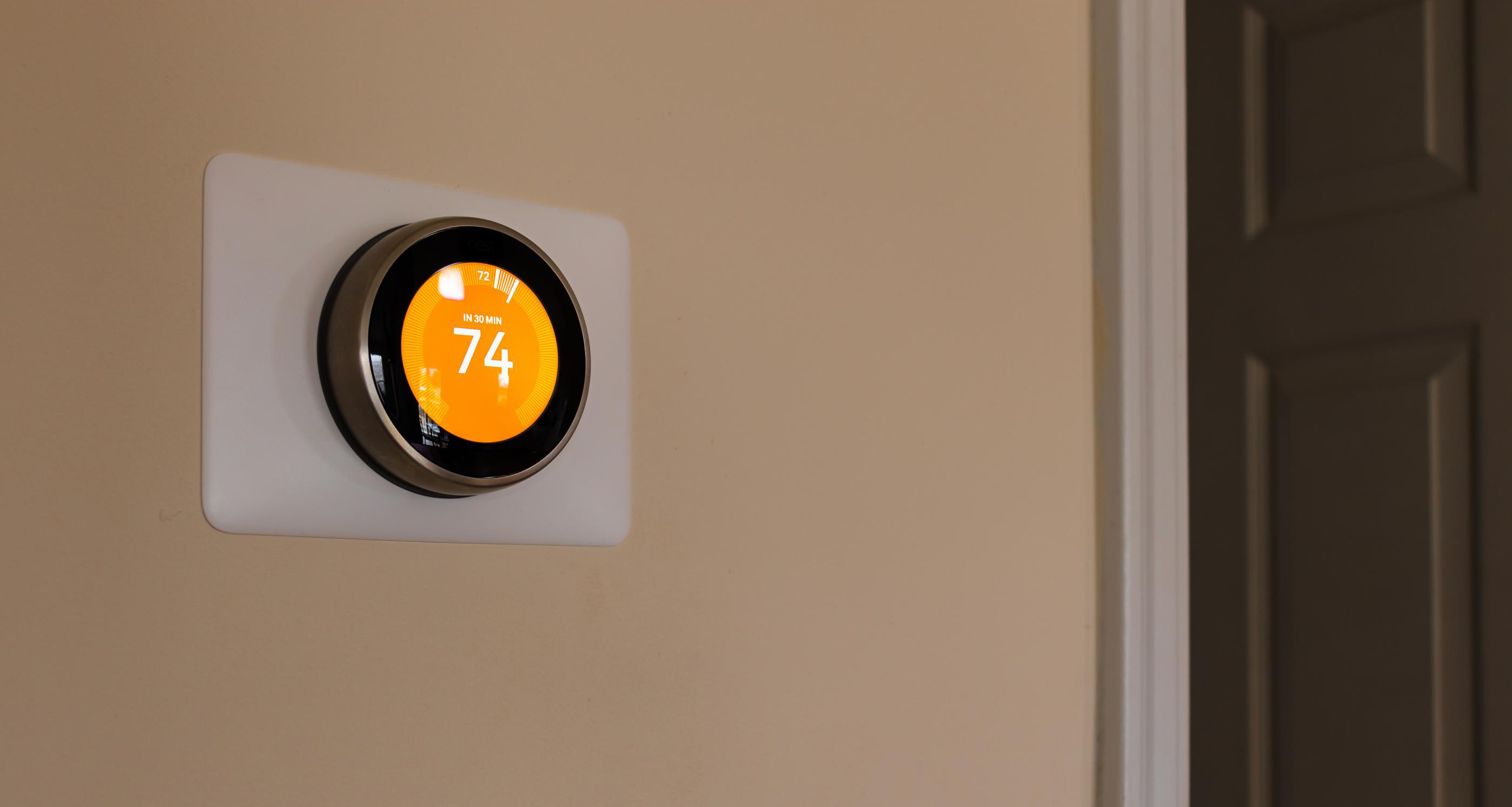
Sticky air in an Alpharetta home is frustrating. The thermostat reads 72, yet floors feel tacky and windows film up. High indoor humidity wastes energy and HVAC contractor breeds comfort complaints, even while the air conditioner runs. Here is what usually causes it in North Fulton County homes and how a local HVAC contractor solves it fast.
How AC Is Supposed to Remove Moisture
Air conditioners cool and dehumidify at the evaporator coil. Warm return air passes over the cold coil, water condenses, and the condensate drains away. The system must run long enough at the right airflow and refrigerant levels to pull moisture from the air. If any piece is out of tune, the coil gets too warm, too cold, or starved for refrigerant, and humidity climbs.
In Alpharetta, GA, the summer dew point often sits in the upper 60s. Homes need proper latent capacity, tight ducts, and well-set thermostats to keep relative humidity near 45 to 55 percent.
Common Reasons Your AC Runs but Humidity Stays High
Short cycling from oversizing is the top issue the team sees in HVAC Alpharetta service calls. The system cools the air too fast and shuts off before it wrings out moisture. Run times stay short, so humidity lingers. A right-sized unit with a longer, steadier cycle dries better than a larger unit that sprints.
Low refrigerant from a small leak reduces coil temperature control. The coil can freeze and thaw, or it may never get cold enough in the right way to condense water efficiently. Technicians diagnose with superheat and subcool readings, then repair the leak and recharge per manufacturer specs.
High airflow can be as bad as low airflow. Too much airflow keeps the coil warmer and reduces dehumidification. Too little airflow can freeze the coil. Proper static pressure, clean filters, set blower speed, and a clear return path matter.
A clogged condensate drain or dirty evaporator coil also swings humidity. If the drain is clogged, water can sit on the pan and re-evaporate into the airstream. A fouled coil insulates the heat exchange surface and restricts airflow. Both issues are common across homes near Avalon and along the Big Creek Greenway during heavy pollen season.
Leaky ducts in attics pull wet air from unconditioned spaces. In Windward and Glen Abbey, many homes have long attic runs. If return ducts leak, the system ingests humid attic air and spreads it through the house.
Ventilation and lifestyle factors count, too. Long showers without a bath fan, stove-top boiling without a range hood, and frequent door openings during parties all add grains of moisture. Whole-home dehumidifiers help when internal moisture loads are high.
Telltale Symptoms in Alpharetta Homes
Homeowners often mention a 2 to 4 degree comfort gap. The thermostat says 72, but it feels nearer 76. The blower may run long after the compressor stops, which can blow room humidity back off the coil. Doors swell and stick, wood floors cup at the edges, and closet air smells musty. On service calls near Wills Park and North Point Mall, technicians often see window condensation in the mornings even with the AC set properly.
Energy bills rise. The system runs longer as it fights both heat and moisture. In some townhomes near Downtown Alpharetta, humidity forces setpoints lower than normal to feel comfortable, which further spikes usage.
Quick Checks Homeowners Can Try
- Set the thermostat to “cool” with fan mode on “auto,” not “on,” to avoid re-evaporating moisture from the coil. Replace a dirty air filter and clear supply and return grilles. Make sure bath fans and kitchen hoods vent outside and run them during moisture-heavy tasks. Verify windows are latched and weatherstripping is intact, especially in rooms over garages or near porches. Look for water around the indoor unit or a tripped condensate safety switch.
If humidity stays high after these steps, the issue likely sits with refrigerant charge, blower setup, coil condition, duct leakage, or system sizing.
What Technicians Diagnose and Fix
One Hour Heating & Air Conditioning handles humidity problems with a systematic approach. NATE-certified technicians measure temperature split, static pressure, and coil surface temperature. They inspect the condensate drain, trap, and pan. They clean coils, set blower speeds, and test for duct leaks. If readings point to a refrigerant problem, they check for a refrigerant leak, then verify subcool and superheat after repairs.
They frequently replace worn run capacitors and contacts that cause intermittent compressor starts, which can lead to short cycling. They test the blower motor for noise, heat, and amp draw. A failing blower motor or cracked fan blade can raise or drop airflow out of spec. On heat pump systems, a stuck expansion valve will starve the evaporator and raise humidity. With variable-speed air handlers, incorrect programming or a faulty circuit board can disable dehumidification modes.
For homes with persistent moisture, they add smart thermostats that support dehumidify-by-overcool. A 1 to 2 degree controlled overcool dries the air without a large energy penalty. In larger Alpharetta estates or in basements near Crooked Creek, a whole-home dehumidifier tied into the supply and return can maintain 50 percent RH independent of cooling demand.
Why Alpharetta Homes Face Unique Humidity Challenges
Alpharetta sits in Fulton County with a humid subtropical profile. Afternoon thunderstorms spike moisture. Many homes feature high ceilings, open stairways, and large west-facing windows that load the structure late in the day. Add tight building envelopes and long attic duct runs, and the AC must do real work to control moisture.
High-SEER equipment is common in the 30004 and 30022 zip codes, yet some ultra-efficient systems are paired with undersized return air or leaky flex duct. That mismatch reduces latent capacity. Variable-speed systems shine here, since they run longer at lower speeds and pull more water from the air. A well-tuned modulating American Standard or Lennox unit will feel drier at the same setpoint.
Signs It Is a Design or Sizing Problem
If humidity spikes every mild, rainy day yet drops on very hot days, the system may be oversized. On mild days, the unit cycles fast and never dehumidifies. If a house feels muggy only in certain rooms, duct balance or leakage is likely. If the upstairs stays sticky while downstairs is fine, expect a return air shortage on the second floor or undersized jump ducts.
In some homes in Milton and Johns Creek, a previous owner swapped a single-stage 3-ton for a 4-ton to “make it colder.” It got colder fast, but indoor RH jumped. The fix is often a right-sized, variable-speed heat pump or a dedicated dehumidifier.
Maintenance That Directly Reduces Humidity
Seasonal HVAC maintenance is not just a tune-up; it is a moisture control plan. Techs clean the evaporator coil, flush the condensate drain, and test the float switch. They check blower alignment, lubricate where applicable, and set correct airflow per ton. They seal obvious duct leaks at boots and plenums and advise on return air upgrades if static pressure runs high. They also confirm that the outdoor condenser coil is clear of debris so the compressor can move heat efficiently.
One Hour Heating & Air Conditioning provides priority HVAC tune-ups for families in Windward and the Glen Abbey community, with service trucks often seen near Avalon and the Big Creek Greenway. The team documents numbers so homeowners see the before-and-after change in temperature split and RH.
Repair, Replace, or Add a Dehumidifier?
Repair makes sense if the issue is a bad run capacitor, clogged condensate drain, dirty coil, or mis-set blower speed. These are common, affordable fixes that restore performance fast. If the system uses R-22 or shows compressor wear, replacement is smart. A modern, variable-speed Trane, Carrier, or Lennox with a matched indoor coil will improve moisture control and lower bills.
For large homes or spaces with frequent moisture loads, adding a whole-home dehumidifier is often the best comfort upgrade. It runs independently, keeps RH stable around 50 percent, and reduces the need to overcool. Many systems integrate with smart thermostats for precise control.
Brands, Parts, and Systems the Team Works On
Technicians service Goodman, Rheem, York, Bryant, and Amana, along with high-end Lennox, Carrier, Trane, American Standard, and Daikin. They diagnose failing compressors, replace worn-out run capacitors, and repair contactors and circuit boards. They clean condenser coils, adjust expansion valves, and verify performance on central air conditioners, hybrid heat pumps, and ductless mini-splits. They also install air filtration systems and smart thermostats to support comfort and air quality.
Local Coverage and Fast Response
One Hour Heating & Air Conditioning serves Alpharetta, GA and nearby Milton, Roswell, Johns Creek, and Cumming. Coverage includes 30004, 30005, 30009, 30022, and 30023. The team understands the technology corridor and the trusted HVAC Alpharetta demands of homes near Ameris Bank Amphitheatre, Alpharetta City Center, and Country Club of the South. Response times are quick, and trucks are stocked for same-day fixes.
What to Expect from a Service Visit
- A punctual arrival. “Always On Time Or You Don’t Pay A Dime.” A clear diagnostic with measured data, not guesses. Options that fit the home’s design and budget. NATE-certified work with licensed and insured, background-checked employees. Follow-up support and 24/7 emergency service for AC or furnace failures.
FAQ: Fast Answers for Humid Homes
Why do vents blow cool air but rooms still feel sticky? The system may be short cycling, over-ventilated, or low on refrigerant. Air feels cool yet still carries too much water. A technician needs to check coil temps, airflow, and charge.
Should the fan run continuously to dry the air? No. Use “auto” so the fan stops with the compressor. A continuous fan can re-evaporate water on the coil and push it back into the rooms.
Is a whole-home dehumidifier worth it? In many Alpharetta homes, yes. It keeps RH near 50 percent during shoulder seasons and rainy weeks without resorting to 68-degree setpoints.
How does a smart thermostat help? Some models activate a dehumidify mode that slows the blower or gently overcools by 1 to 2 degrees to pull more moisture off the coil.
Can duct cleaning help humidity? It helps airflow and cleanliness but does not remove moisture on its own. Correct sizing, airflow, and drainage control humidity. Duct sealing and return upgrades often have more impact.
Ready for drier, cleaner air?
If the AC runs and the house still feels damp, it is time for a precise diagnostic. One Hour Heating & Air Conditioning serves the Technology City of the South with fast, expert HVAC Alpharetta service. Schedule service now. Experience the “Always On Time” guarantee and work with NATE-certified technicians who know Georgia humidity.
Name: One Hour Heating & Air Conditioning
Address: 1360 Union Hill Rd ste 5f, Alpharetta, GA 30004, United States
Phone: +1 404-689-4168
Website: onehourheatandair.com/north-atlanta/areas-we-service
Find Us on Google: Google Business Profile
Social Profiles: Facebook | X (Twitter) | Instagram | Pinterest | YouTube